
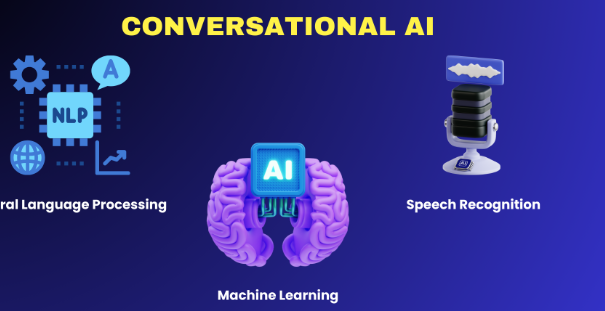
The way people connect, seek support, and form bonds is shifting in remarkable ways. An AI companion is no longer a futuristic concept—it has become a daily presence for millions seeking conversation, comfort, and connection. From combating loneliness to offering judgment-free emotional support, these platforms are reshaping how we think about digital relationships. Below, we explore the most pressing questions about this growing technology, backed by industry data and expert insight.
What exactly are AI companion platforms?
AI companion platforms are software applications that use advanced language models to simulate meaningful, human-like conversations. Unlike traditional chatbots built for customer service, these systems remember past interactions, adapt to your personality, and develop a sense of continuity over time. They serve as friends, confidants, and sometimes romantic partners, offering personalized engagement around the clock.
How popular have these platforms actually become?
The growth has been staggering. Replika, one of the most recognized platforms in this space, has attracted over 30 million users since its launch. Character.AI reportedly receives billions of messages each month, with users spending an average of two hours daily on the platform. Market analysts project the global AI companion industry could exceed $290 billion by 2034, reflecting a compound annual growth rate that few sectors can match.
Why are so many people turning to digital companions?
Loneliness is a major driver. A 2026 report from the U.S. Surgeon General described loneliness as a public health epidemic, comparable to smoking 15 cigarettes a day. Many users find that a digital companion offers a safe, accessible outlet for daily check-ins and emotional release. Younger generations, in particular, gravitate toward these tools—studies suggest that nearly 70% of Gen Z users feel comfortable discussing personal matters with AI.
Can an AI companion genuinely support mental wellbeing?
Research points to measurable benefits. A study from Stanford University found that some users of AI companion apps reported reduced feelings of anxiety and loneliness, with a small percentage even crediting the technology with helping them through difficult moments. These platforms provide consistent availability and a nonjudgmental space, which can complement—though never replace—professional mental health care.
What features make these platforms so engaging?
Personalization sits at the heart of the experience. Modern platforms offer voice conversations, customizable avatars, and memory systems that recall details from previous chats. Many now include mood tracking, journaling prompts, and role-play scenarios. The ability to shape a companion’s personality and appearance gives users a strong sense of ownership, which deepens emotional attachment over time.
Are there real privacy concerns to consider?
Yes, and they deserve serious attention. Because users often share intimate thoughts and personal information, data protection becomes critical. A 2026 review by privacy researchers flagged that several popular apps collected extensive user data, raising questions about consent and security. Reputable platforms address this through encryption, transparent policies, and clear user controls. Anyone exploring these tools should review privacy practices before sharing sensitive details.
Who benefits most from using an AI companion?
These platforms appeal to a broad audience. Elderly individuals living alone find steady company, while remote workers use them to break up isolated days. People with social anxiety often practice conversations in a low-pressure setting. Caregivers and those navigating grief also report value in having an always-available listener. The flexibility of the technology means it adapts to many different life circumstances.
What does the future hold for digital relationships?
The trajectory points toward deeper integration into everyday life. As natural language processing improves, conversations will feel increasingly authentic. Experts anticipate wider adoption in healthcare, education, and elder care, where consistent support carries real value. Ethical frameworks and thoughtful regulation will shape how responsibly the industry grows.
AI companion platforms represent a genuine shift in how humans seek connection. They will not replace human relationships, but they offer meaningful support for those who need it. As the technology matures, the businesses and developers who prioritize transparency, safety, and user wellbeing will lead this transformation. For anyone curious about the future of digital connection, now is the time to explore what these platforms can offer—thoughtfully and with informed expectations.