
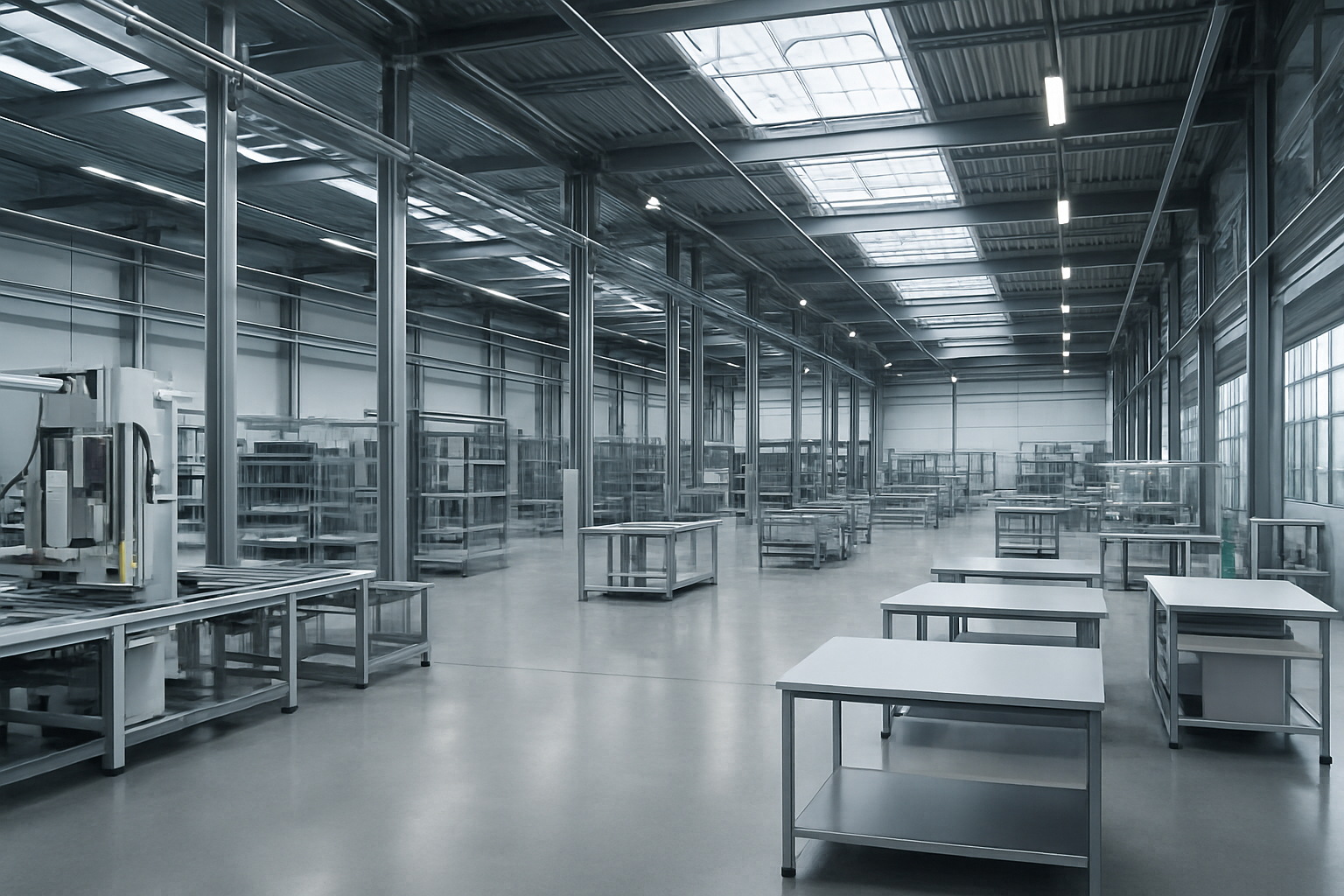
Industrial infrastructure is entering a period of significant transformation as businesses adopt advanced technologies, modernize production, and rethink supply chain strategies. Facilities built for the next generation of industry must offer more than immediate functionality; they need the flexibility to support changing operational requirements. David Ebrahimzadeh approaches industrial development with an emphasis on infrastructure that can remain relevant as businesses expand, technology advances, and new opportunities emerge across manufacturing, logistics, aerospace, defense, cold storage, and digital infrastructure.
In This Article
- What Makes Infrastructure Future-Ready?
- Technology as a Driver of Industrial Expansion
- The Importance of Build-to-Suit Development
- Supporting Mission-Critical Industries
- Connecting Infrastructure With Geographic Growth
- Long-Term Ownership and Infrastructure Quality
- Understanding Emerging Opportunities
- Building Infrastructure Around Business Growth
- Conclusion
What Makes Infrastructure Future-Ready?
Future-ready infrastructure is designed with both present requirements and potential changes in mind. Industrial facilities increasingly need adaptable layouts, dependable utilities, efficient transportation access, and infrastructure capable of supporting sophisticated equipment.
A forward-looking development strategy considers these elements from the beginning. This can help properties accommodate business growth while reducing the need for major changes as operational requirements develop.
Technology as a Driver of Industrial Expansion
Technology is influencing nearly every major industrial sector. Automation is transforming manufacturing, digital systems are improving logistics, and data infrastructure is becoming increasingly important to modern businesses.
These developments are creating new requirements for physical facilities. Industrial properties must increasingly provide environments capable of supporting advanced equipment, reliable connectivity, substantial infrastructure needs, and evolving production processes.
The Importance of Build-to-Suit Development
Build-to-suit projects offer an effective way to connect infrastructure with specific business requirements. Instead of adapting an existing property, a facility can be planned around the tenant’s operational model.
Design considerations can include production layouts, storage requirements, loading capacity, infrastructure systems, expansion areas, and specialized equipment needs. This approach can create properties that are closely aligned with the long-term objectives of the businesses occupying them.
Supporting Mission-Critical Industries
Future industrial growth will depend heavily on sectors that require reliable physical infrastructure. Advanced manufacturing, aerospace, defense, cold storage, logistics, and data infrastructure all represent areas where specialized facilities can support important business functions.
Developing properties for these industries requires an understanding of their operational characteristics. A sector-focused strategy allows infrastructure to be designed with greater precision while creating assets capable of serving essential business activities.
Connecting Infrastructure With Geographic Growth
Industrial companies frequently evaluate locations based on transportation, workforce availability, supply chains, customer access, and regional development. As businesses expand, their infrastructure requirements can extend into new markets.
David Ebrahimzadeh NY represents an approach that follows these operational requirements by developing industrial facilities where tenants need them. This geographic flexibility allows real estate strategies to remain connected to actual business expansion rather than being limited to predetermined markets.
Long-Term Ownership and Infrastructure Quality
Future-ready development benefits from an ownership philosophy that considers the entire lifecycle of an asset. Long-term ownership provides an opportunity to maintain facilities, make improvements, and respond to tenant requirements as industries evolve.
This approach encourages property quality to remain a continuous priority rather than something considered only during initial construction.
Understanding Emerging Opportunities
Industrial growth increasingly intersects with frontier technologies and innovation-driven businesses. Exposure to these developments can provide valuable insight into where future infrastructure demand may emerge.
Understanding how technological advancement affects physical space requirements can help investors recognize opportunities earlier and develop assets that remain relevant as industries change.
Building Infrastructure Around Business Growth
Industrial facilities are ultimately valuable because they enable businesses to operate and expand. Future-ready development therefore requires a strong understanding of business objectives.
When infrastructure supports production, distribution, storage, technology, and expansion effectively, the property becomes an important component of a company’s broader growth strategy.
Conclusion
Future-ready infrastructure will play an increasingly important role in supporting industrial expansion. Adaptable facilities, specialized development, strategic locations, technological awareness, and long-term ownership can create assets prepared for changing business requirements. David Ebrahimzadeh demonstrates how a forward-looking investment philosophy can connect industrial real estate with emerging opportunities, helping create infrastructure that supports innovation, operational efficiency, and sustainable growth across essential sectors.
The Short Version
- Industrial infrastructure is transforming as businesses modernize production and adopt advanced technologies.
- Future-ready infrastructure must provide flexibility to support changing operational requirements and accommodate business growth.
- Build-to-suit development aligns facilities with specific tenant operational models, ensuring close alignment with long-term business objectives.
- Sectors such as advanced manufacturing, aerospace, and logistics require specialized facilities to support mission-critical operations.
- Geographic flexibility in infrastructure development allows companies to expand their operations into new markets effectively.
- Long-term ownership of industrial properties ensures ongoing maintenance and improvements that respond to evolving tenant requirements.