
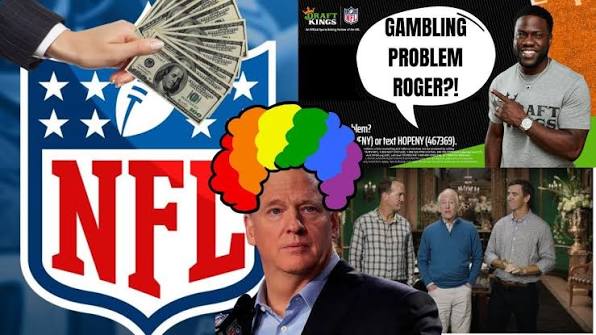
Not long ago, the idea of a major American sports league openly embracing gambling was almost unthinkable. Leagues kept betting at arm’s length, wary of the reputational risk. Today, the relationship has flipped entirely. Sports betting partnerships are now central to how leagues like the NFL do business, generating enormous revenue and reshaping the fan experience. Understanding this shift explains a great deal about the direction of both American sport and the betting industry.
From Prohibition to Partnership
The turning point was the legalization of sports betting across much of the United States, which opened the door to a market of staggering size. Almost overnight, leagues that had once distanced themselves from wagering recognized a vast new revenue stream. Official betting partnerships, data deals, and sponsorships followed quickly. Sportsbooks became some of the biggest advertisers in sport, their logos appearing in stadiums, on broadcasts, and throughout team marketing.
For the NFL — the most valuable sports property in the country — the stakes are especially high. Every partnership decision involves enormous sums and shapes how tens of millions of fans engage with the game. The reshuffling of these deals is closely followed news; the story of how betting partners join and drop out of the NFL illustrates how fluid and fiercely contested these relationships have become.
What the Partnerships Actually Involve
These deals go far beyond a logo on a banner. Official betting partners gain the right to use league data and branding, integrate with broadcasts, and market directly to fans. Leagues, in turn, receive not just sponsorship fees but a share in the growth of legal wagering built around their product. Data itself has become a valuable commodity: real-time official statistics power live, in-play betting markets, and the rights to that data are worth a fortune.
The competition among sportsbooks to secure these partnerships is intense, because being an ‘official’ partner confers credibility and prime access to fans. When one operator drops out and another steps in, it reflects shifting strategies, budgets, and bets on the future of the market. These are not minor sponsorship swaps; they are strategic moves worth hundreds of millions of dollars.
How It Changes the Fan Experience
For fans, the integration of betting has transformed how games are watched. Broadcasts now routinely reference odds, betting graphics appear on screen, and apps let viewers place wagers in real time as the action unfolds. Live, in-play betting — wagering on the next play, the next drive, the final score — has turned passive viewing into active participation for millions.
This has genuine appeal. A well-placed bet can make an otherwise lopsided game compelling, and the analytical layer of odds and probabilities adds depth for engaged fans. Following detailed betting analysis and predictions has become part of the pre-game ritual for a growing audience who treat handicapping as a hobby in its own right.
The Tensions Beneath the Surface
The embrace of betting is not without friction. Critics worry about the saturation of gambling advertising and its effect on younger and more vulnerable fans. Leagues walk a delicate line: they profit from betting partnerships while insisting on the integrity of the games themselves. Any hint that wagering could influence outcomes strikes at the heart of a sport’s credibility, which is why leagues invest heavily in integrity monitoring and strict rules for players and staff.
There is also the question of responsibility. As betting becomes woven into the fabric of watching sport, the pressure grows on leagues and operators to promote responsible-gambling messaging with the same energy they promote the next big bonus. How well the industry balances revenue against player welfare will shape its public standing for years.
Where Crypto Fits In
The modernization of sports betting has coincided with the rise of crypto-friendly sportsbooks, which bring fast payments and global reach to the same wagering markets that leagues are monetizing. As official partnerships legitimize betting in the mainstream, crypto platforms are competing to serve the tech-savvy segment of that expanding audience, pushing innovation in payments and user experience. The two trends reinforce each other: mainstream acceptance grows the market, and technological competition improves the product.
The Takeaway
The NFL’s journey from keeping gambling at a distance to building it into the core of its business captures a broader transformation in sport. Betting partnerships now generate major revenue, drive fan engagement, and shape how games are broadcast and experienced. For bettors, this means more markets, better data, and deeper integration than ever before. For the leagues, it means a lucrative but delicate balancing act between profit and integrity. Either way, the partnership between big sport and big betting is now a defining feature of the landscape — and one that is only growing stronger.