
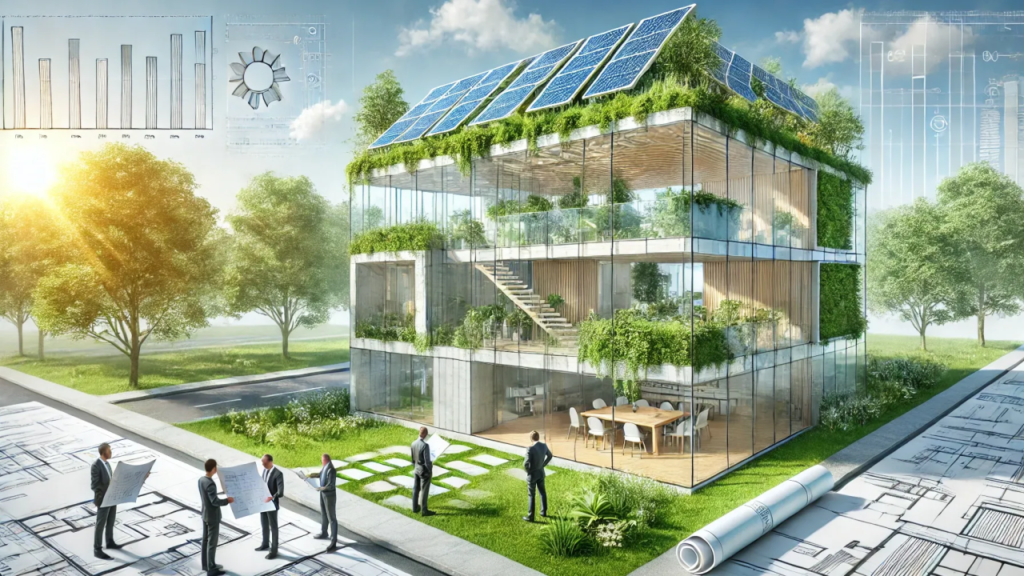
Energy data modeling is an essential tool for architects, interior designers, and construction professionals who want to design buildings that are both sustainable and efficient. With buildings accounting for a large portion of global energy use, understanding and optimizing energy consumption is more important than ever. Energy data modeling allows professionals to simulate how a building will use energy, helping them make informed design decisions that reduce costs, minimize environmental impact, and meet strict energy standards.
By leveraging energy data modeling, designers and builders can predict energy performance before construction begins, making it possible to create smarter, more eco-friendly buildings that meet modern sustainability expectations. In this article, we will explore the importance of energy data modeling, its benefits, and how to apply it effectively in your building projects.
Understanding the Importance of Energy Data Modeling
Reducing Environmental Impact
One of the main reasons to use energy data modeling is to lower a building’s environmental footprint. By analyzing how energy is used in a design, professionals can identify areas where energy is wasted and find ways to improve efficiency. This might include adding better insulation, choosing more efficient heating and cooling systems, or adjusting the building’s orientation to take advantage of natural light.
These improvements not only reduce energy use but also contribute to long-term sustainability. As concerns over climate change grow, energy data modeling helps the building industry play an active role in cutting greenhouse gas emissions and creating environmentally responsible spaces.
Achieving Cost Savings
Energy data modeling can also lead to significant financial benefits. During the design and construction phases, it helps professionals choose the most cost-effective materials, systems, and designs. Once the building is in use, improved energy efficiency lowers utility bills and maintenance costs, providing ongoing savings for owners, tenants, and investors.
In a market where energy prices are rising and clients are more aware of sustainability, the cost savings achieved through energy data modeling are an important factor in attracting environmentally-conscious buyers and tenants.
Ensuring Regulatory Compliance
As governments implement stricter energy efficiency rules, energy data modeling has become essential for compliance. Professionals can simulate a building’s energy performance to ensure it meets local codes and standards, avoiding penalties and project delays.
Energy modeling also supports green building certifications like LEED, BREEAM, or WELL, which recognize environmentally-friendly design and operation. Certification not only demonstrates a commitment to sustainability but also increases the property’s value and market appeal.
The Energy Data Modeling Process
Step 1: Gathering Accurate Data
The first step in energy data modeling is collecting detailed information about the building. This includes the structure’s design, materials, HVAC and lighting systems, water heating equipment, occupancy schedules, and maintenance practices. Local climate data such as temperature, humidity, and solar radiation is also critical. The more precise the data, the more reliable the energy model will be, giving designers actionable insights for improving energy efficiency.
Step 2: Choosing the Right Software
Selecting the right energy modeling software is essential. Consider tools that are compatible with your existing design software, offer the level of detail required, and provide support or training resources. Look for features that allow you to simulate different building types, perform cost analysis, and integrate renewable energy options. Choosing the right tool ensures your model is accurate, flexible, and practical.
Step 3: Building the Energy Model
Once the data is collected and software is chosen, the next step is creating the model. This involves inputting design elements, building systems, and operational factors into the software. Simulations are then run to predict energy use under various scenarios, such as different weather patterns, occupancy schedules, or system setups. This stage provides a clear view of where energy is used most and where improvements can be made.
Step 4: Analyzing Results
The energy model produces results that help identify inefficiencies and potential upgrades. Review these results carefully, focusing on areas where energy consumption is highest. Evaluate different design options and system upgrades to see which solutions provide the most energy savings, cost benefits, and sustainability improvements.
Step 5: Iterative Improvements
Energy data modeling is an ongoing process. Models are updated as new ideas or technologies are introduced, and simulations are rerun to measure improvements. This iterative approach ensures that the final design achieves the best possible balance of efficiency, cost, and sustainability. By repeating this process, professionals can fine-tune their designs until they reach optimal performance.
Tips for Successful Energy Data Modeling
Engage Stakeholders Early
Involving all project stakeholders—architects, engineers, building owners, and regulators—at the beginning helps set clear goals and ensures everyone understands priorities and constraints. Early collaboration encourages better decision-making and helps prevent misunderstandings that could affect the project later.
Stay Up-to-Date with Best Practices
Energy modeling techniques and tools evolve quickly. Stay informed about the latest software updates, energy codes, and green building standards. Attend workshops, conferences, and training sessions to enhance your knowledge. Updating your methods regularly ensures your models remain accurate and effective.
Use Technology Effectively
Advanced tools, data analytics, and building performance monitoring systems can significantly improve the quality of energy modeling. Technology allows for more accurate simulations, helps detect patterns in energy use, automates repetitive tasks, and makes it easier to share results with stakeholders. Leveraging technology ensures better outcomes and more efficient project management.
Conclusion
Energy data modeling is a powerful way to design sustainable, cost-effective, and energy-efficient buildings. It provides actionable insights that reduce environmental impact, lower costs, and ensure compliance with energy regulations. By following the modeling process, engaging stakeholders, staying informed about best practices, and using technology effectively, professionals can create buildings that meet today’s energy standards and appeal to environmentally-conscious clients.
Incorporating energy data modeling into your projects not only supports sustainability but also strengthens your reputation as a forward-thinking architect, designer, or builder. Embracing this practice is a step toward a greener and more responsible built environment.