
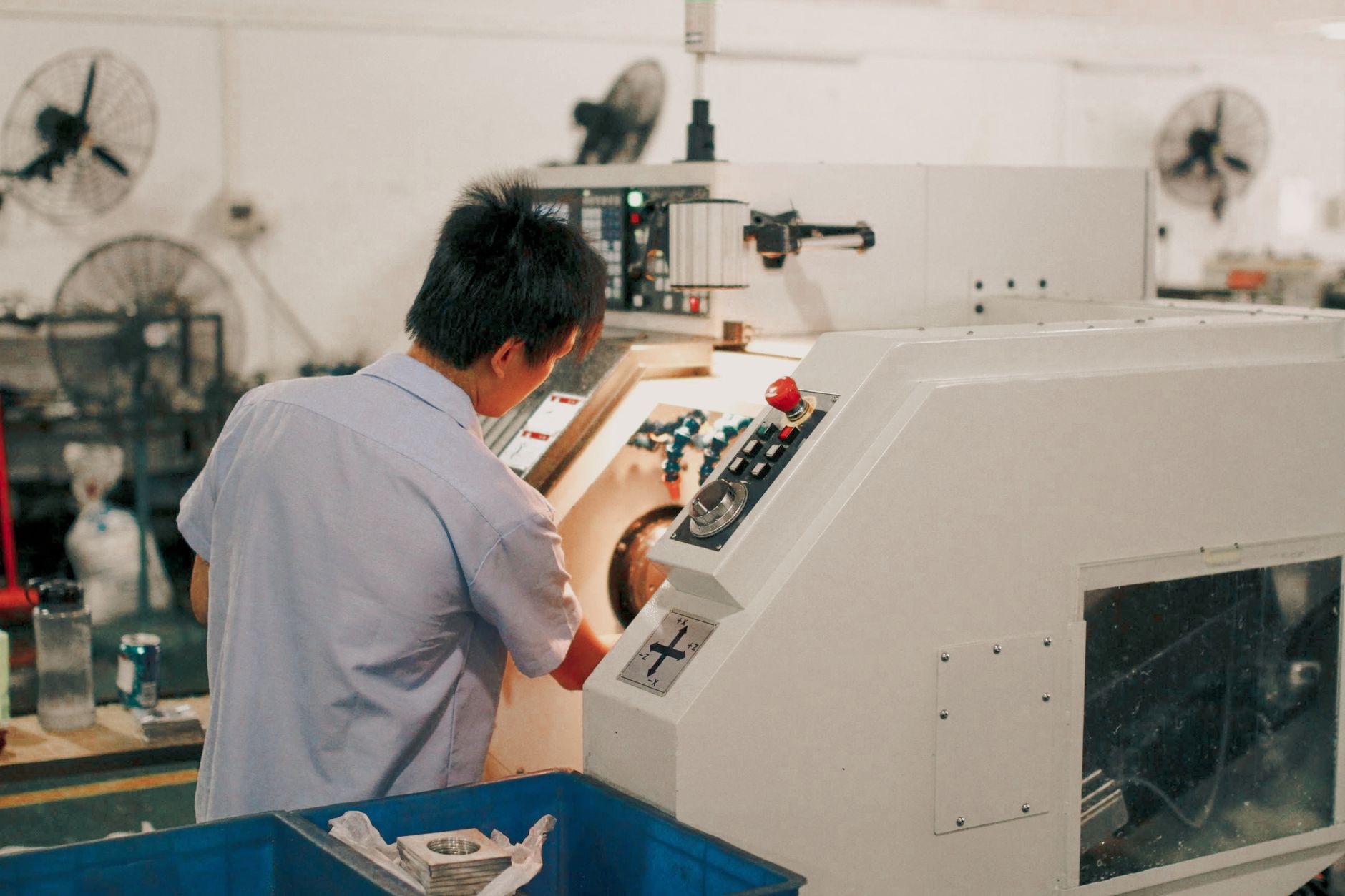
The industrial sector continues to play an important role in modern economies by supporting manufacturing, production, logistics, maintenance, engineering, and technical operations. As companies adapt to new technologies and evolving customer expectations, the demand for skilled and dependable professionals remains strong. For candidates exploring Industrial jobs (jobs industrie), understanding current workplace trends can make the search more focused and effective. Industrial employment covers a broad range of occupations, allowing people with different educational backgrounds, technical abilities, and professional interests to identify suitable career paths.
In This Article
- Understanding the Industrial Employment Landscape
- Skills Employers Commonly Look For
- The Growing Role of Technology
- Safety and Quality as Career Priorities
- Building a Long-Term Industrial Career
- Making an Informed Job Search
Understanding the Industrial Employment Landscape
Industrial employment includes much more than traditional factory work. Modern production environments require machine operators, maintenance specialists, quality professionals, warehouse workers, technicians, production planners, engineers, and administrative staff. Each position contributes to the smooth operation of a company.
The industrial sector is also becoming increasingly connected. Digital systems, automated machinery, data monitoring, and advanced production methods are influencing daily responsibilities. Employees who can combine practical knowledge with technical awareness are therefore becoming increasingly valuable.
Skills Employers Commonly Look For
A successful industrial career usually requires a combination of technical and personal skills. Technical competence is important for roles involving machinery, production systems, equipment maintenance, or quality control. Depending on the position, employers may look for candidates familiar with industrial tools, safety procedures, technical documentation, or digital workplace systems.
Soft skills are equally important. Reliability, communication, teamwork, attention to detail, and problem-solving can influence workplace performance. Industrial environments often involve cooperation between different departments, making clear communication essential.
Adaptability is another valuable quality. Processes and technologies can change over time, so employees who are willing to learn and develop new abilities can remain competitive throughout their careers.
The Growing Role of Technology
Technology is transforming many industrial workplaces. Automated systems can support repetitive production activities, while digital monitoring tools help organizations track processes and identify operational issues. This does not simply eliminate traditional roles; instead, it is changing the skills required for many positions.
Workers may increasingly interact with computerized equipment, digital instructions, monitoring platforms, and automated production systems. Technical training can therefore provide a useful foundation for professionals who want to remain relevant in a changing industrial environment.
At the same time, human judgment continues to matter. Machines can perform defined processes, but experienced employees are often needed to interpret information, resolve unexpected problems, maintain equipment, and ensure that standards are followed.
Safety and Quality as Career Priorities
Safety remains a fundamental part of industrial employment. Workers may operate equipment, handle materials, or work within environments where established procedures are essential. Understanding workplace safety rules and following operational instructions carefully can protect employees and support efficient production.
Quality is another central consideration. Industrial companies depend on consistent processes and reliable products. Employees involved in inspection, production, maintenance, and logistics all contribute to maintaining quality standards. Attention to detail can therefore be a significant professional advantage.
Building a Long-Term Industrial Career
Industrial careers can offer opportunities for professional development. Employees may begin in practical or entry-level roles and gradually develop specialized expertise. Experience with machinery, production processes, quality systems, or logistics can create pathways toward supervisory and technical responsibilities.
Professional training can also support career progression. Learning new technologies, improving technical knowledge, and developing leadership abilities can help workers prepare for greater responsibilities.
For job seekers, maintaining an updated résumé and clearly presenting relevant skills can make the application process more effective. Highlighting practical experience, certifications, technical knowledge, and workplace achievements allows employers to understand a candidate’s capabilities quickly.
Making an Informed Job Search
A focused search begins with understanding personal strengths and career goals. Candidates should consider whether they prefer production, maintenance, logistics, engineering, quality management, or another industrial discipline. Reviewing job descriptions carefully can help applicants identify roles that match their experience.
The industrial sector continues to evolve through technology, changing production methods, and new workforce expectations. Professionals who combine practical ability, technical knowledge, adaptability, and a strong commitment to safety can position themselves for meaningful opportunities.
For candidates ready to enter or advance within the industrial workforce, a structured and informed job search can provide a strong foundation for long-term professional development. The variety of industrial occupations makes the sector a practical option for people seeking stable, skill-oriented, and evolving career opportunities.
The Short Version
- The industrial sector encompasses a broad range of occupations beyond traditional factory work, including roles like engineers, maintenance specialists, and warehouse workers.
- Employers in the industrial sector value both technical skills related to machinery and safety procedures, as well as soft skills like reliability and communication.
- Technology is transforming industrial workplaces through automation and digital monitoring tools, altering the skills required for many positions.
- Safety and quality are fundamental priorities in industrial employment, with adherence to safety rules and attention to detail being crucial for maintaining standards.
- Careers in the industrial sector offer opportunities for professional development, with pathways leading from entry-level roles to supervisory and technical responsibilities.
- A focused job search in the industrial sector should align personal strengths with specific disciplines such as production, maintenance, or quality management.